Find Out More
The "You Said, We Heard, We Acted" document provides a summary of how feedback from local communities and stakeholders has helped shape Scout Moor II.
Many of the topics raised during consultation are explored in much greater detail within the planning application and supporting technical documents. These documents explain how potential effects have been assessed and the measures proposed to avoid, reduce or manage impacts.
1. Protect peatland, water resources and minimise carbon loss
You can find out more in:
• Chapter 14: Hydrology, Hydrogeology and Peat
• Appendix 14.2: Peat Survey Report
• Appendix 14.3: Outline Peat Management Plan
• Appendix 14.4: Peat Landslide Hazard and Risk Assessment
• Appendix 14.5: Watercourse Crossing Inventory
• Appendix 14.6: Private Water Supply Assessment
• Appendix 14.7: Public Water Supply Assessment
• Appendix 14.8: Groundwater Dependent Terrestrial Ecosystems Assessment
• Appendix 14.9: Peat Condition Assessment
• Chapter 15: Climate Change
• Appendix 15.1: Carbon Calculator Input Data and Results
View these documents
2. Reduce visual, landscape and heritage impacts
You can find out more in:
• Chapter 11: Landscape and Visual Effects
• Appendix 11.1: LVIA Methodology
• Appendix 11.2: Visuals Methodology
• Appendix 11.3: Landscape Character Baseline
• Appendix 11.4: Viewpoint Analysis
• Appendix 11.5: Landscape Sensitivity
• Chapter 12: Built Heritage
• Appendix 12.1: Heritage Assessment
• Chapter 13: Archaeology
• Appendix 13.1: Archaeological Desk Based Assessment
View these documents
3. Maintain and enhance access for walkers, riders and recreational users
You can find out more in:
• Chapter 6: Transport and Access
• Appendix 6.1: Transport Assessment
• Outdoor Recreation Management and Enhancement Plan
• Chapter 4: Development Specification
• Figure 4.23: Proposed Indicative Fencing Layout with Access Point Locations
These documents explain how existing access will be maintained during construction and how opportunities for walkers, riders and recreational users can be enhanced over the long term.
View these documents
4. Minimise construction traffic and local disruption
You can find out more in:
• Chapter 6: Transport and Access
• Appendix 6.1: Transport Assessment
• Chapter 4: Development Specification
• Figure 4.21: Typical Track Details
• Figure 4.22: Typical Water Crossing Methods
• Volume 3: Environmental Management Plan
These documents explain how construction traffic will be managed and how environmental mitigation will be implemented throughout the construction process.
View these documents
5. Limit impacts on nearby homes and communities
You can find out more in:
• Chapter 7: Noise and Vibration
• Appendix 7.1: Construction Noise Assessment
• Appendix 7.2: Operational Noise Assessment
• Chapter 11: Landscape and Visual Effects
These documents explain how the project has been designed to minimise impacts on local residents and communities.
View these documents
6. Create long term local value
You can find out more in:
• Socio Economic Assessment
• Chapter 9: Ecology
• Chapter 10: Ornithology
• Chapter 14: Hydrology, Hydrogeology and Peat
• Chapter 15: Climate Change
• Outdoor Recreation Management and Enhancement Plan
• Volume 3: Environmental Management Plan
These documents explain how the project can deliver renewable energy, peatland restoration, biodiversity enhancement, recreational improvements and wider economic benefits for local communities.
View these documents
The full planning application and supporting documents are available to view on the Rossendale Borough Council and Rochdale Borough Council planning portals, as well as on the Scout Moor II website.
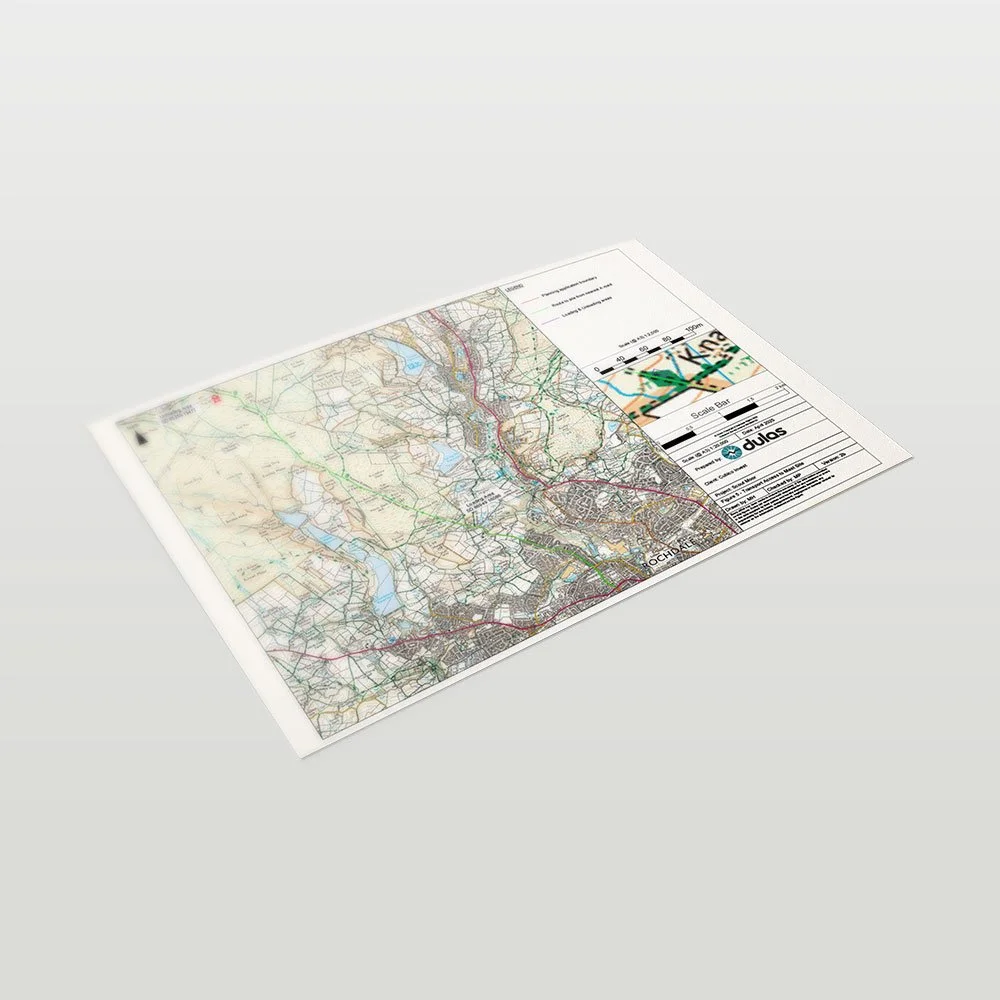
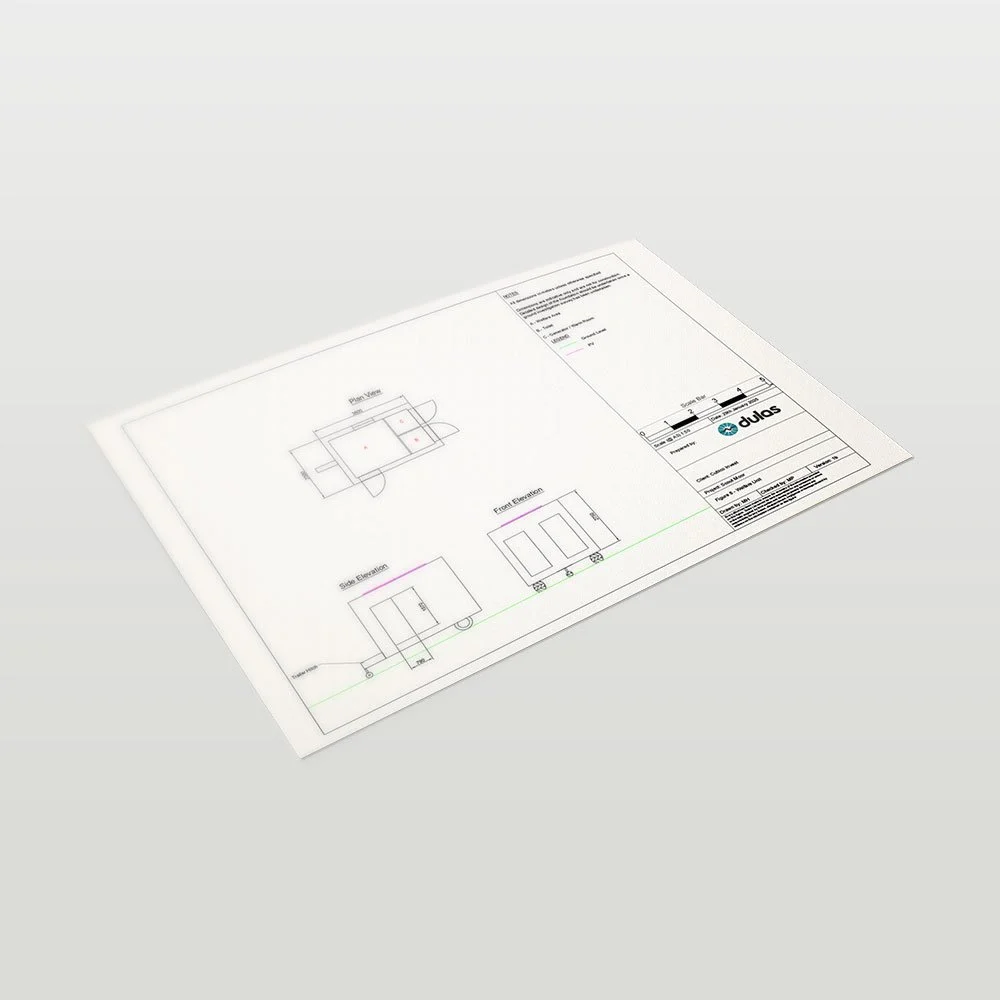
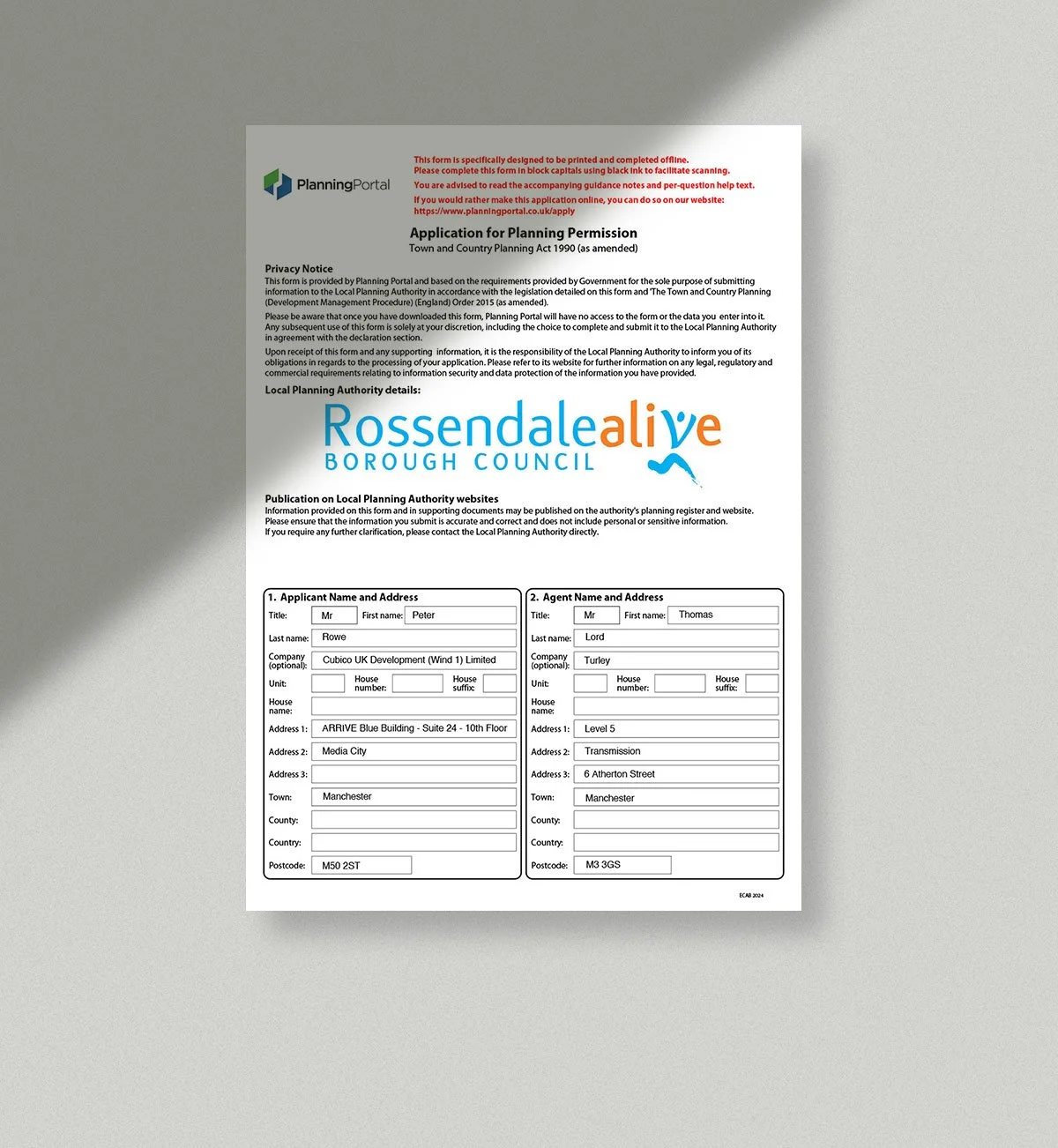
Document & Drawing Schedule
Click icon to view:

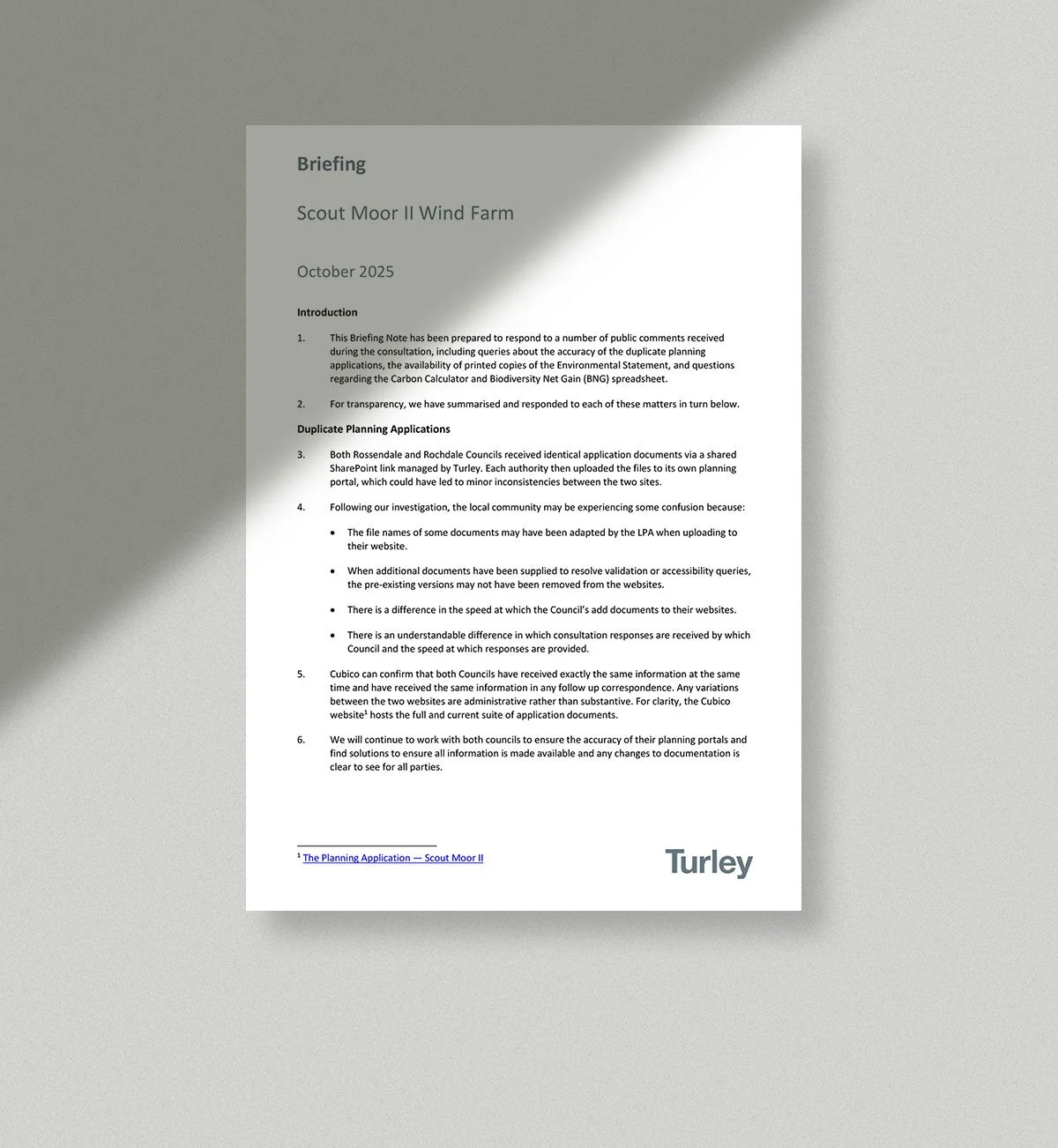
Applicant Response Notes
Click icon to view:
Application Documents



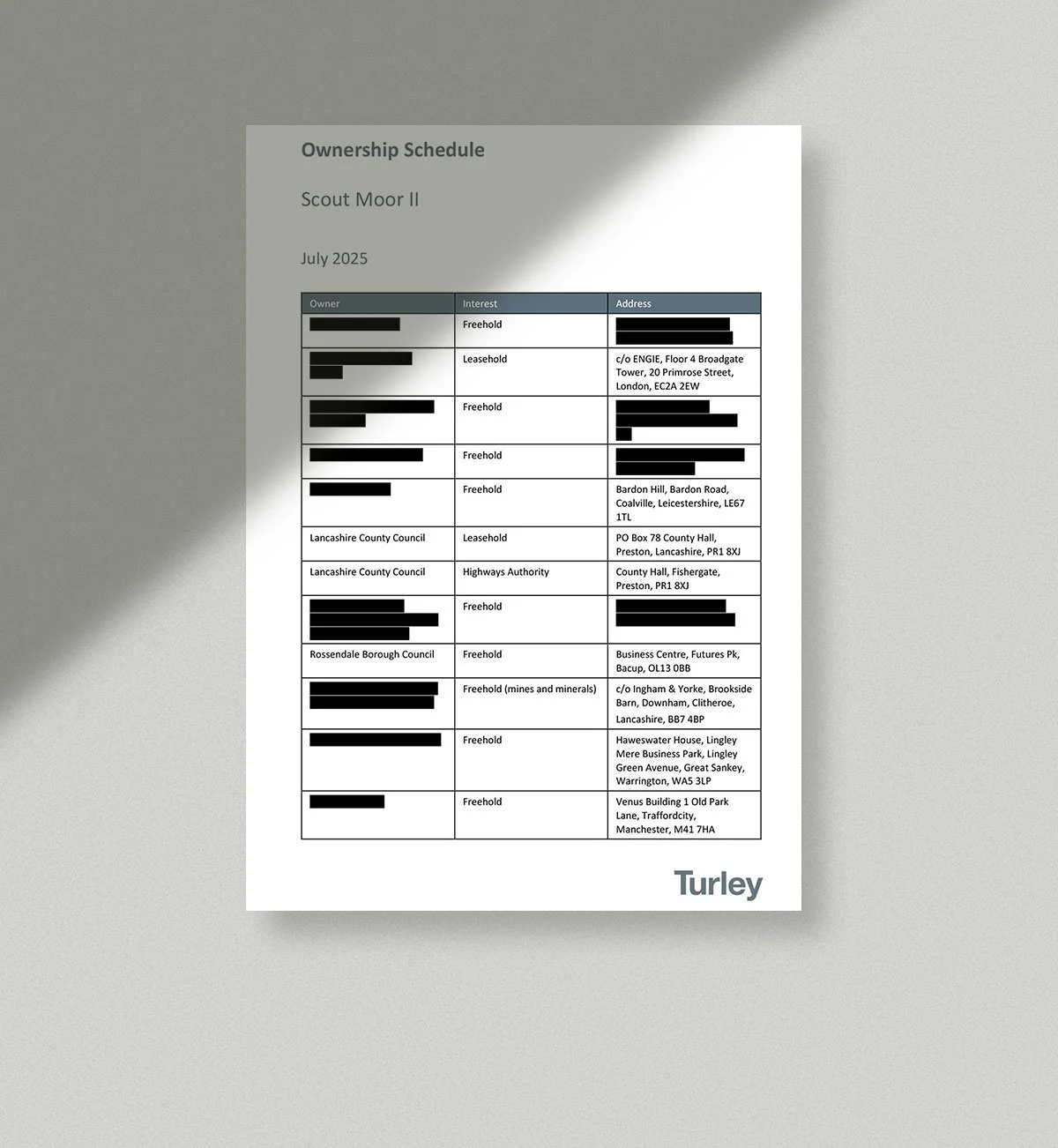
Drawings for Approval

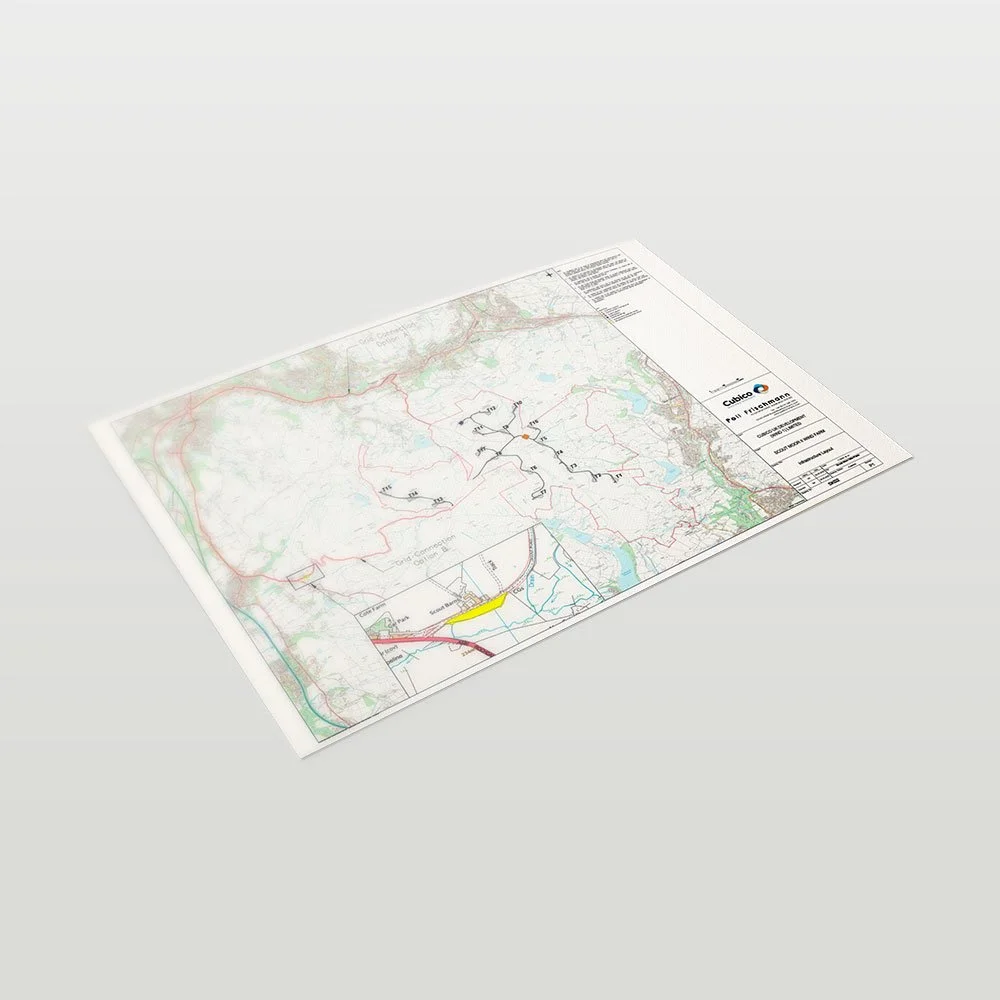
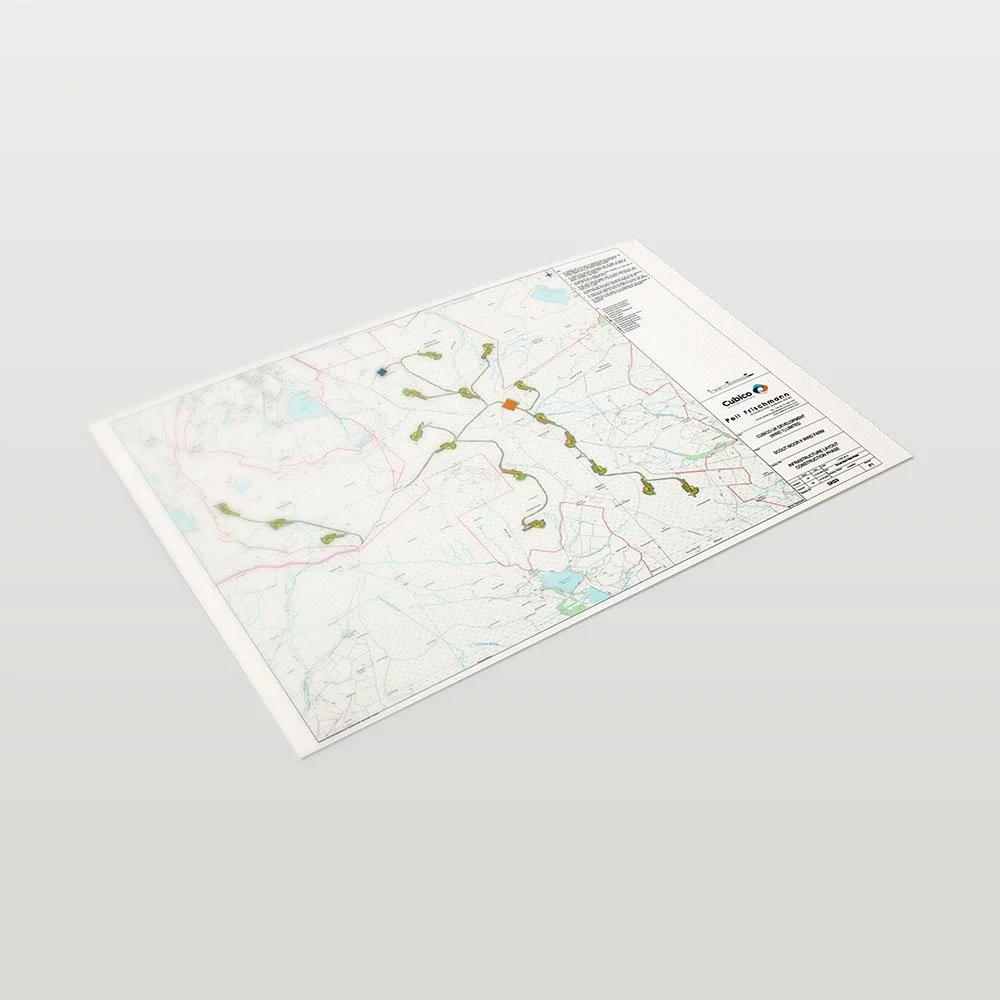



Drawings for Information

Documents for Approval

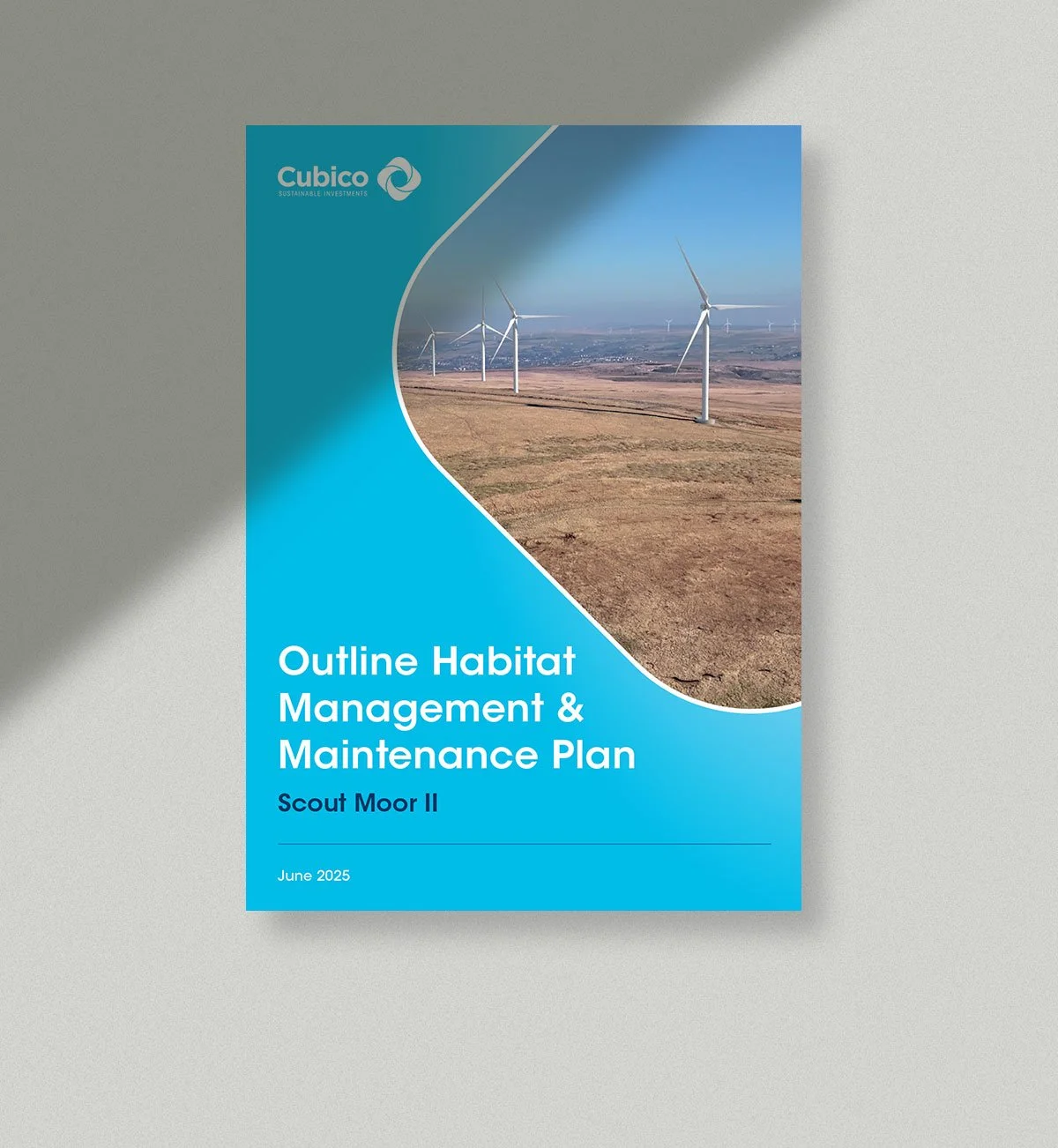

Documents for Information - click to view all documents

Environmental Statement


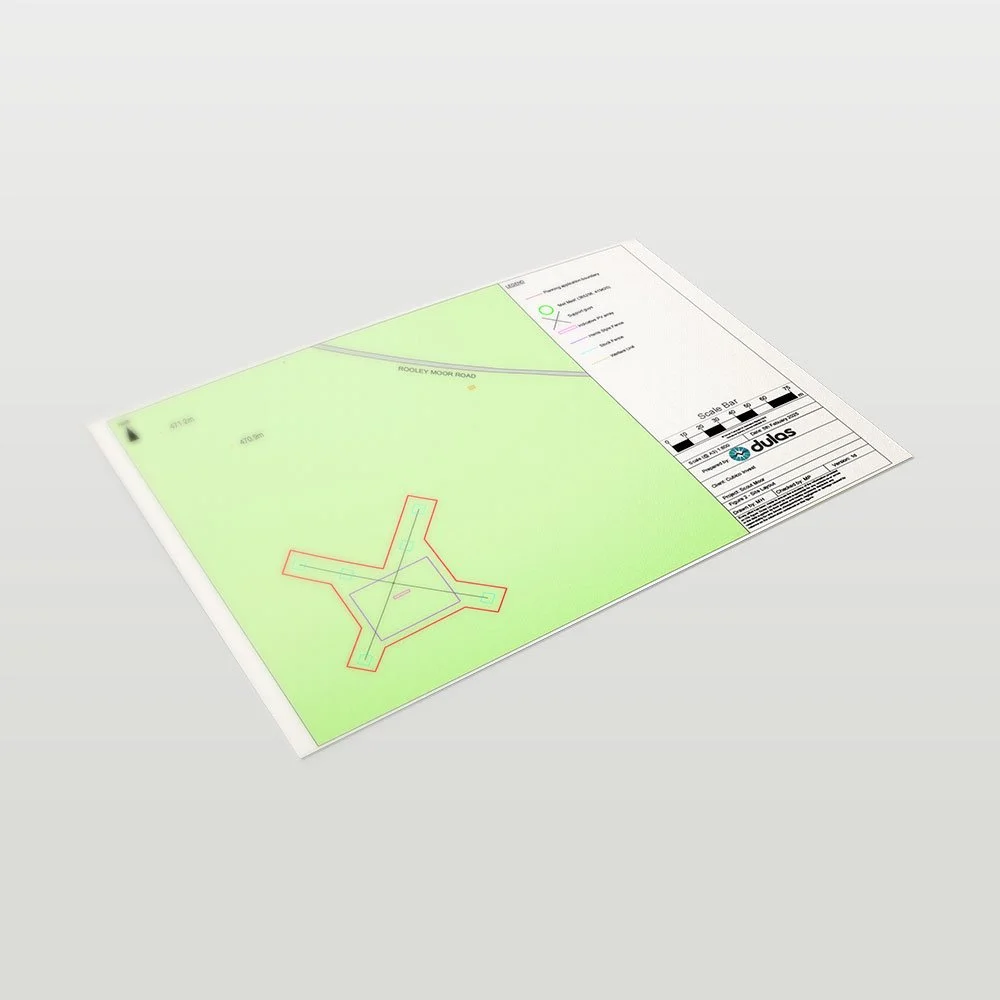
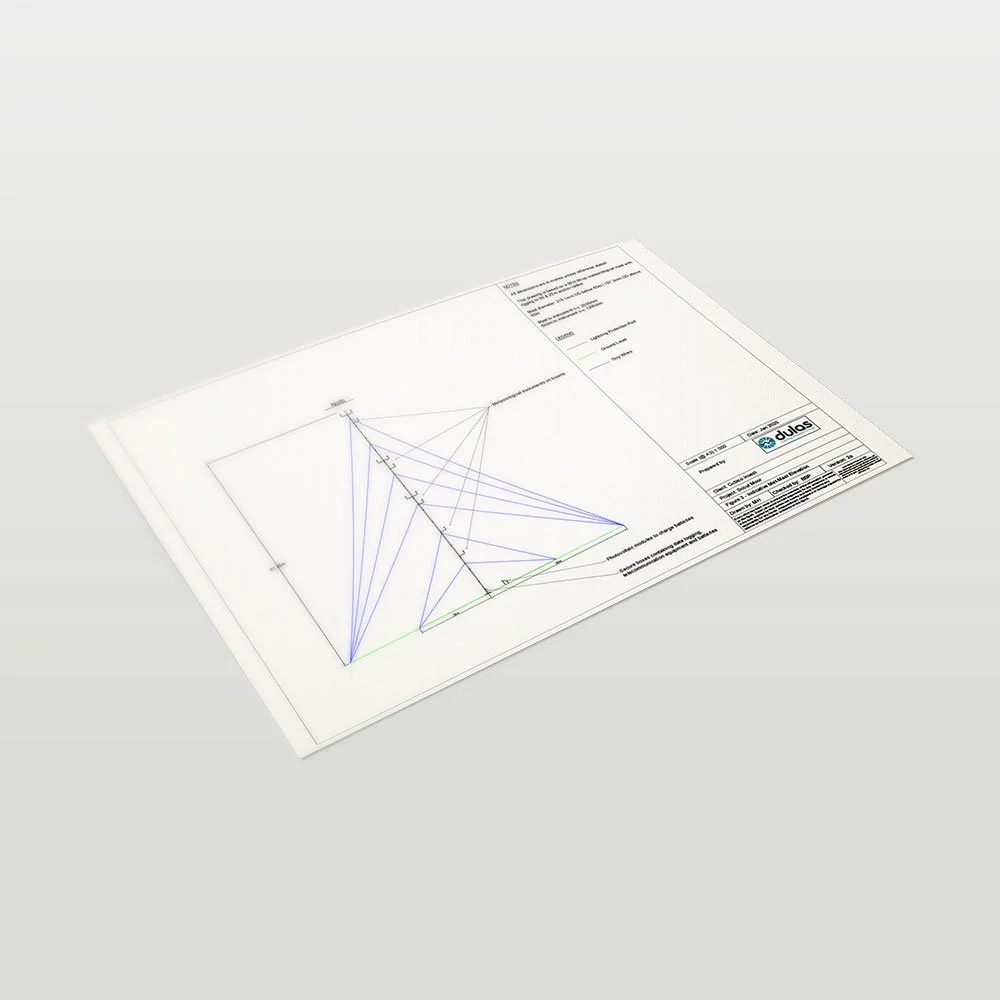
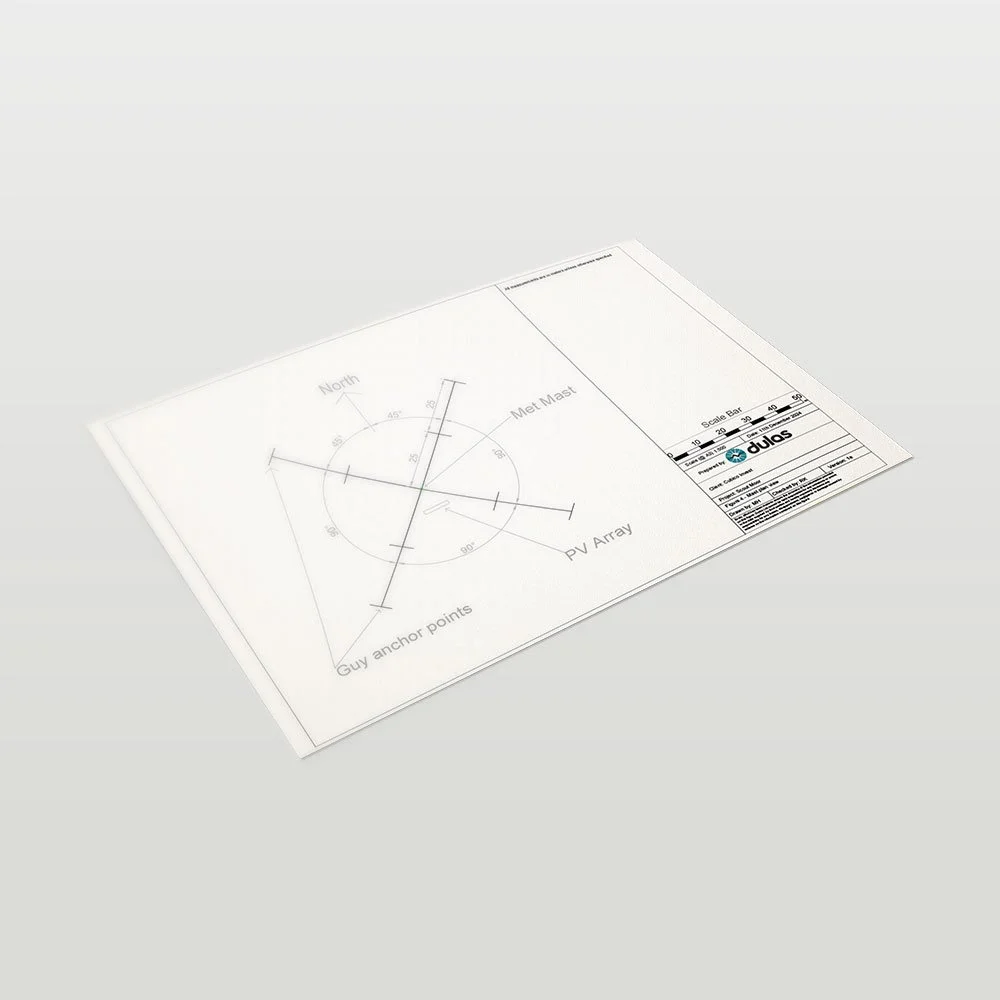
Met Mast